


Giusto un piccolo video, anche se non direttamente utile all’apprendimento della lingua italiana, ma sicuramente interessante …
Ask your question about the Italian grammar and I will answer you. The answers will be in Italian.
 learn Italian language

Posted by Monica Corrias on December 19, 2015
Giusto un piccolo video, anche se non direttamente utile all’apprendimento della lingua italiana, ma sicuramente interessante …
Posted in Italian teachers | Leave a Comment »
Posted by Monica Corrias on April 6, 2014
Che ne dite di vedere un cortometraggio divertente che descrive benissimo uno dei problemi degli abitanti di Roma?
.
Per chi desidera fare delle attività didattiche correlate, siete fortunati perché ci ha già pansato la casa editrice Alma nel libro Magari (livello B2)
Posted in Italian for foreigners | Tagged: Italian classes, Italian language, Italian language on line, Italian native speaker, Learning Italian | 1 Comment »
Posted by Monica on November 13, 2013
Questa è una lettera indirizzata ai molti studenti che negli anni mi hanno chiesto: “perché hai scelto questo lavoro?”
La sola, unica, risposta che ho sempre dato è “mi piace aiutare chi mi chiede aiuto e amo stare a contatto con gli stranieri, incontrare persone di differenti culture e differenti generazioni.”
In questi anni ho incontrato persone meravigliose con le quali ho dialogato e “viaggiato” per il mondo: il mondo mi si presentava direttamente in classe, donandomi l’opportunità di penetrare, attraverso voi studenti, varie culture, differenti classi sociali e infinite sensibilità. Viaggiando con voi ho vissuto in un mondo “dorato” in cui rispetto e stima mi hanno fatto credere nell’esistenza di qualcosa che qui non esiste più. Distratta dalla lingua e dalla cultura, dall’imperativo categorico di non urtare le sensibilità altrui, ho sempre utilizzato una lingua “politicamente corretta”, purtroppo, però, non ho voluto vedere e forse ho troppo negato che l’Italia e gli italiani stavano cambiando, e la lingua insieme a loro.
Ho cercato di dare la responsabilità di questo sfacelo alla politica degli ultimi vent’anni che ha plasmato generazioni di ragazzi preoccupati solo di sé, di afferrare simboli vani, pronti a negare o aggredire l’esistenza di chi non era/è uguale a loro. Purtroppo, dare la colpa a qualcuno non può negare che questo sia accaduto e soprattutto non offre soluzioni.
L’Italia di oggi è molto differente da quella di quindici anni fa (quando io ho cominciato ad insegnare ai non italiani): la lingua, com’è giusto che sia, si è modificata; le persone nate in Italia hanno ridotto il loro vocabolario personale e l’abilità di usare connettivi (quindi hanno un periodare semplice che non prevede la profondità e la volontà di discutere, confrontarsi e raggiungere verità); la lingua attuale è espressione di superficialità e disinteresse per gli altri.
Tutto questo per me è difficile da sopportare. Il mio “mondo dorato” naturalmente esiste ancora, ma questo è rappresentato dalle persone che hanno imparato una lingua precisa ed attenta nel rispetto continuo dell’altro: quelle che sanno ascoltare il senso delle parole e non solamente il suono. Questo modo di vedere il vivere quotidiano come espressione di rispetto e stima umana è sempre stato il mio filo conduttore, nell’insegnamento e nella vita. Ora, però, forse è giunto il momento di provare a educare le nuove generazioni di italiani, quelle che potranno fermare i loro fratelli maggiori, ma solo a condizione che si riapproprino, attraverso la lingua, di un vero senso etico di rispetto per la persona e che non si nascondano dietro schemi mentali proposti da una indistinta massa che mostra loro specchietti per le allodole.
E’ vero, le culture cambiano, le generazioni sono sempre differenti l’una dall’altra, ma quando una civiltà giunge a non vedere più le differenze tra legale e illegale, rispetto e disprezzo, noncuranza e insolenza, forse è il momento, nel proprio piccolo, di fare qualcosa. Per questo, forse, uscirò dal mio “mondo dorato” e cercherò di restituire un po’ di dignità a questa lingua che sta atrofizzandosi insieme alla nostra civiltà. Questo è l’unico modo che vedo per aiutare i più “piccoli” a creare una nuova lingua, distanziandosi da quella di genitori e fratellastri maggiori.
Buon proseguimento a tutti, con l’augurio di una lingua nuovamente vissuta!
Posted in Classes, Italian native speaker | 13 Comments »
Posted by Monica on August 23, 2013
…
♥ make (see) sure you don’t arrive late! = vedi di non arrivare in ritardo! Very important sentence in Italy 😉
vedi tu se ci riesci! = see if you can do it
vedi tu (decidi tu)! = it’s up to you
vai a vedere cos’è successo! = go and see (find out) what has happened
♥ non vedo perché (la ragione di) farlo = I can’t see any reason to do it (for doing it)
l’ho visto nascere (fig) = I’ve known him since he was born
vedetevela voi! = you see to it
se l’è vista brutta = he thought his last hour had come
essere ben/mal visto da qualcuno= be/not to be well thought of by sb
♥ vorrei vedere te al posto suo!I = would like to see you in his place ( shoes)!
lo vedo male questo progetto = I can’t see this project working
visto che… = seeing that …
non vedere qualcuno di buon occhio = to disapprove of sb
non avere niente a che vedere con qualcuno/qualcosa = have nothing to do with sb/sth
vedere le stelle (dal dolore) = to see stars
vederci doppio = to see double
vedere lontano (fig) = to be farsighted
non vedere più lontano del proprio naso = to be unable to see beyond the end of one’s nose
chi s’è visto s’è visto! = and that’s that!
non vederci più dalla rabbia = to be beside o.s. with rage
non vederci più dalla fame = to be ravenous o starving
non vedere l’ora di fare qualcosa = look forward to doing sth
♥ non vedo l’ora che arrivino! = I can’t wait for them to arrive
a vederlo si direbbe che… = by the look of him you’d think that …
in vita mia ne ho viste di tutti i colori = I’ve been through a lot in my time
ti faccio vedere io! = I’ll show you!
I’ll see you all soon 😉
Posted in Italian for foreigners | Tagged: Italian classes, Italian common phrases, Italian for foreigners, Italian language instruction, Italienische Sprache, Learning Italian | 2 Comments »
Posted by Monica on July 15, 2013
Hi, I can’t wait to going on holiday … 
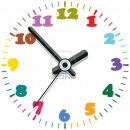
I look/I’m looking forward to …
In Italian we say: “Non vedo l’ora” … di andare in vacanza (DI + infinito) or che tu arrivi (CHE + congiuntivo)
Yes, “Non vedo l’ora” = literally “I can’t see the hour”

SO:
AND
Posted in Italian for foreigners | Tagged: Italian expressions, Italian language, Italian language tuition, lengua italiana | 2 Comments »
Posted by Monica on June 13, 2013
I sincerely apologize for being silence so long! Time has been flying since September: public shool life is even more challenging and more hard than I expected it to be. I have been experiencing new things and meeting many incredible young student, so time has been flying, particularly by during these past two months.
I’m here for you now, so ask me if you need some help with Italian language.
Conoscete la canzone di Mina “Sono qui per te” (= I’m here for you)?
Sono qui per te
Stasera
Sono qui per te
Lo vedi
Sono qui per te
E tu lo sai
Sono qui per te
Stasera
Tutto intorno a me
E’ come quando un anno fa
La sera tu tornavi qui
Ed ora so
E’ vero
Sono qui per te
Per ritrovare di noi due
Quel qualche cosa che per noi
Voleva dire
Che se tu mi guardavi
Io sentivo il tuo sguardo
Su di me
Su di me
Anche se tu
Eri lontano.
Guardami ancora
Come mi guardavi allora
Ho solo te
Per questo
Sono qui per te stasera
Sono qui per te
Lo vedo
Sono qui per te
E tu lo sai
E tu lo sai
E tu lo sai.
Posted in Italian for foreigners | Tagged: Italian for foreigners, Italian language tuition, italian songs, Learning Italian, lengua italiana | 3 Comments »
Posted by Monica on April 25, 2013
What does “fare il ponte” mean? What is the “ponte del 25 aprile”?
I like “fare ponte” and you? Fare ponte, literally to make the bridge,
is when we take an extra day off creating a long weekend 🙂
Usually we make a four day holiday by taking off the in between Monday or Friday.
For example today is April 25, the public holiday “Festa della Liberazione” (Liberation Day), so in addition to the national holidays, since today falls on Thursday, many people are taking Friday off to have a 4 day weekend. The Public Italian schools too.
Io farò ponte, quindi tornerò a lavorare solo lunedì prossimo. Non così male, no? 😉
Posted in Italian for foreigners | Tagged: Italian expressions, Italian language, Italian language instruction, Italian language on line, Italian language tuition, Learning Italian, lengua italiana | 5 Comments »
Posted by Monica Corrias on March 3, 2013
Do you want to improve your listening and pronunciation skills? Here is a nice Italian song. The title is “Mi manchi” = I miss you
Listen to this song many time and tell me what you think.
Here are the lyrics:
Mi manchi
come manca il mare a un’isola
come ad un bottone l’asola
come un mese a un calendario
e a un teatro il suo sipario
a una suora il suo rosario
come le ali a un aereoplano
l’altalena ad un bambino
la sua patria a un emigrato
Mi manchi
come l’ago ad un pagliaio
allo Yeti il suo ghiacciaio
come il vento agli aquiloni
come il cacio ai maccheroni
e la penna ad un notaio
come manca un pesce all’amo
come a volte manca il fiato
e a me dirti che ti amo
Lo nasconderò
questo nostro amore
perchè tu non lo veda
perchè tu non ci creda
quando ti dirò che ti amo ancora
e che mi manchi…
Mi manchi
come le radici a un albero
come il campo ad un trattore
come al lampo manca il tuono
e al peccato il suo perdono
al mercato il suo frastuono
al ciclista la discesa
a un altare la sua chiesa
ed a Dio la mia preghiera
Lo nasconderò
questo grande amore
perchè il mondo non veda
perchè tu non ci creda
quando ti dirò che ti amo ancora
…che ti amo ancora…
e che mi manchi…
…quando ti dirò che ti amo ancora
e che mi manchi…
Mi manchi
come tela ad un pittore
come adesso le parole
come a me manca il tuo amore
Posted in Italian for foreigners, italian songs | Tagged: Italian for foreigners, Italian language instruction, Italian language on line, Italian language tuition, italian songs, Learning Italian, lengua italiana | 4 Comments »
Posted by Monica Corrias on December 31, 2012
I folletti delle statistiche di WordPress.com hanno preparato un rapporto annuale 2012 per questo blog.

Ecco un estratto:
About 55,000 tourists visit Liechtenstein every year. This blog was viewed about 190.000 times in 2012. If it were Liechtenstein, it would take about 3 years for that many people to see it. Your blog had more visits than a small country in Europe!
Posted in Italian for foreigners | Tagged: I, Italian for foreigners, Italian language instruction, Italian language on line, Italian language tuition, italian songs, Italienische Sprache, lengua italiana, Monica Corrias | 4 Comments »
Posted by Monica on September 16, 2012
Hi, Oscar asked me “how do you know when a word has double letters?”
I’m sorry, but we have only two rules:
the conditional have double consonants in the first person plural:
| future/futuro | conditional/condizionale |
| andremo (we will go) | andremmo (we would go) |
| lavoreremo (we will work) ………. | lavoreremmo (we would work) |
.
and
words ending with “zione” (azione, meditazione, lezione…) do not require a double consonant.
Usually, we listen to words and we can know the spelling.
Besides today I would like remember you some little things.
In Italian double consonants sound stronger and longer than in English.
How can you listen to or pronounce double consonants? Try to listen to the music and the beat of the sound. In Italian doubles letters always break into separate syllables, and double consonants tend to affect how the preceding vowel is pronounced so you have to practice a lot.
In the beginning you won’t hear them, but don’t worry: ask a native Italian to pronounce word pairs such as casa/cassa; papa/pappa; nono/nonno or pala/palla (the meaning changes) until you can hear the difference. Remember, in English you can listen to a similar sound in sentence as “bus stop” or “bad dog” and similar.
.
Posted in Italian for foreigners | Tagged: Italian for foreigners, Italian language instruction, Italian language on line, Italian language tuition, Italian tuition, learn Italian, lengua italiana | Leave a Comment »
 learn Italian language